Tiny Journeys, Big Smiles: Canadian Micro‑Adventures for Families with Almost No Gear
Plan in Minutes, Play for Hours
Find Nearby Wonders
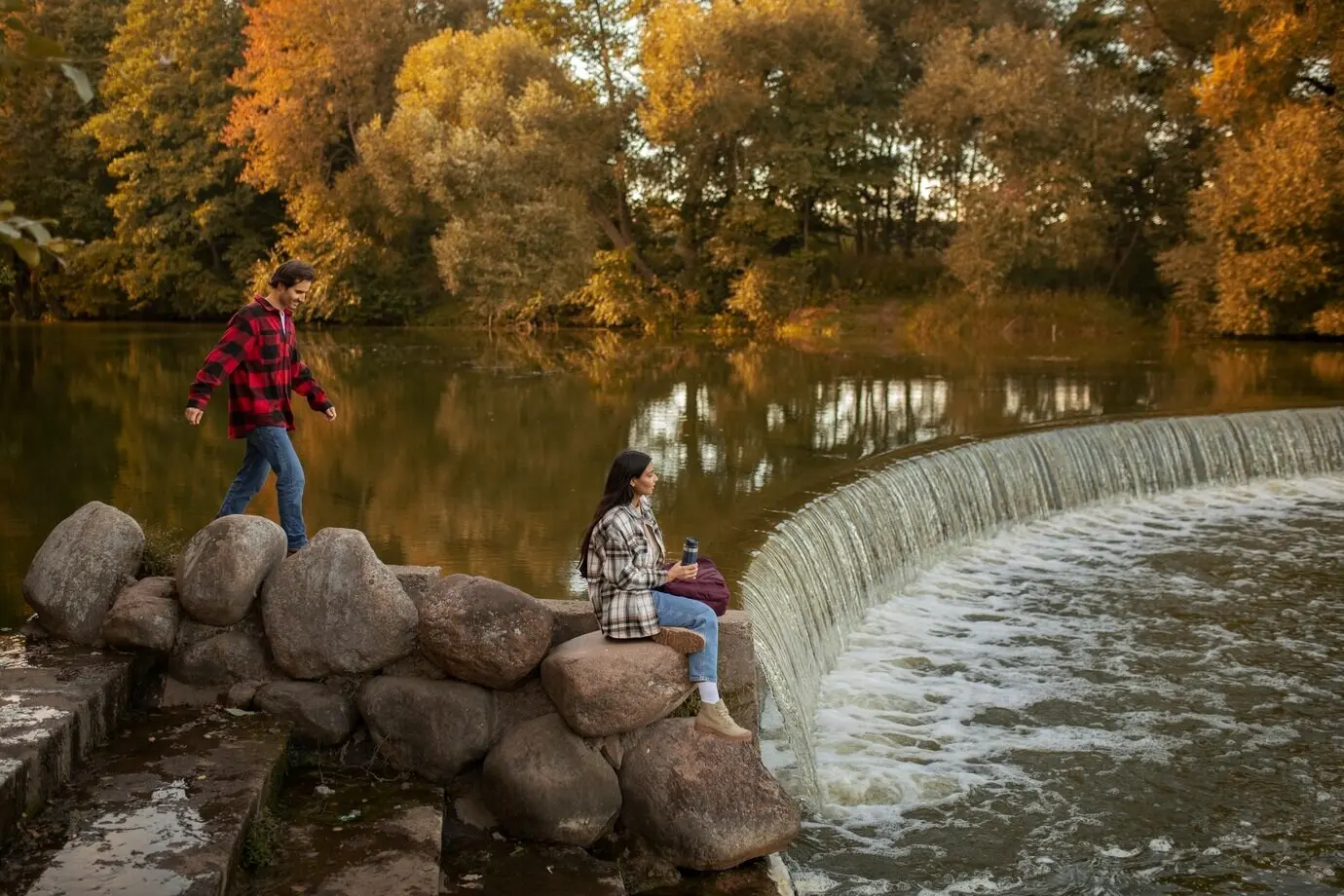
Start with the closest green spaces you’ve overlooked: riverside paths behind arenas, boardwalks beside wetlands, tiny municipal forests edging playgrounds. Check city maps and park websites for accessible loops and seasonal notes. Choose routes with easy bail‑outs, transit options, and clear landmarks, so you can adjust plans gracefully if naps, weather, or moods shift mid‑adventure.
Pack Light, Stay Ready
Keep a small tote always half‑packed with essentials: water, compact snacks, a light layer for everyone, sunscreen, a tiny first‑aid pouch, a whistle, tissues, and a simple map screenshot. Add a trash bag for impromptu sit‑pads or cleanup. This standing kit reduces decision fatigue, speeds exits, and turns spontaneous sunbreaks into real outdoor time.
Minimal Gear, Maximum Joy
Use What You Already Have
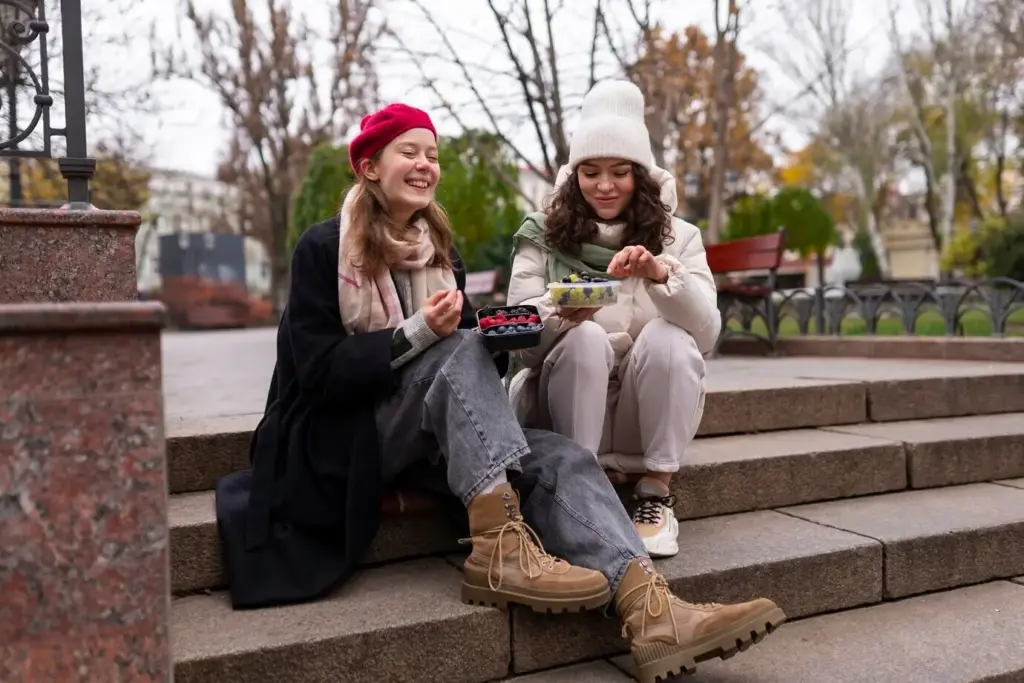
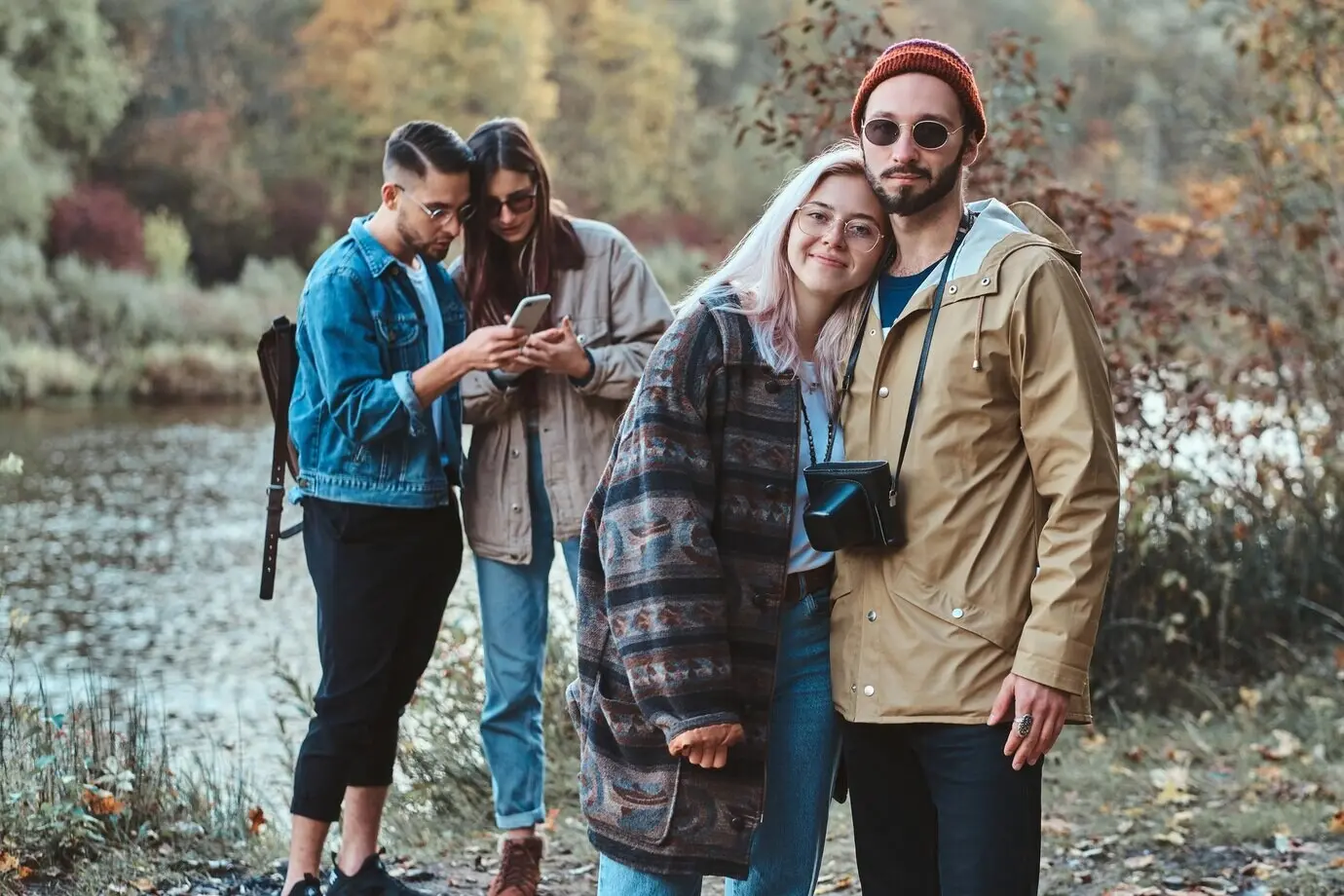
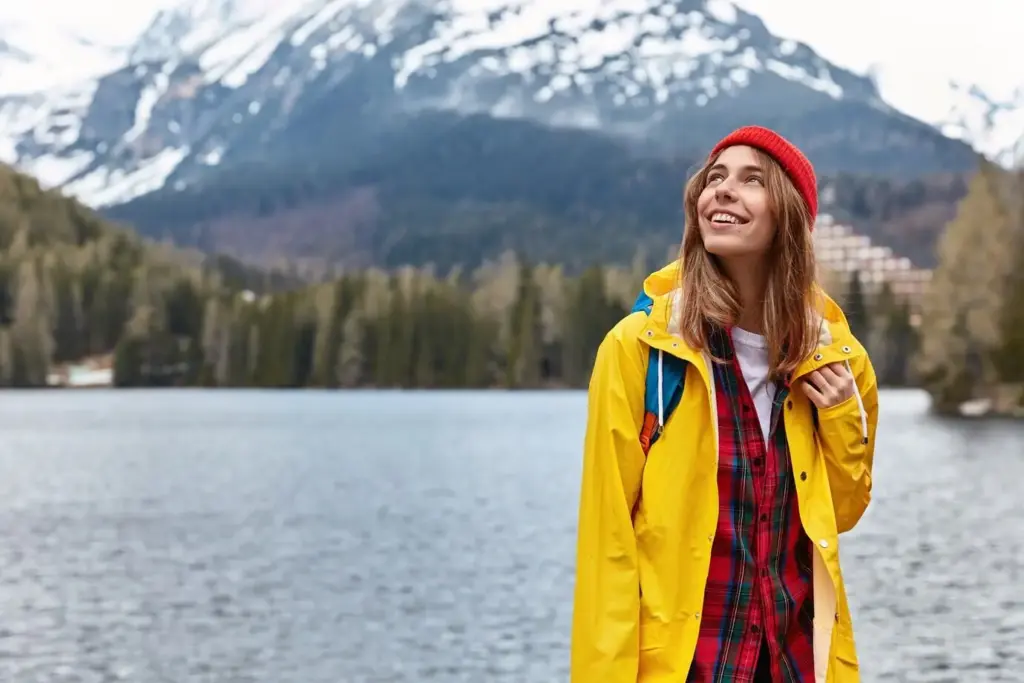
Comfortable sneakers, a school backpack, and reusable bottles cover most needs. A lunchbox becomes a snack station; a light rain jacket doubles as wind protection. Stack everyday layers instead of specialized garments, and tuck a small scarf for shade or warmth. Practical familiarity helps kids move freely, relax quickly, and embrace exploring without fuss.
Borrow, Rent, and Swap
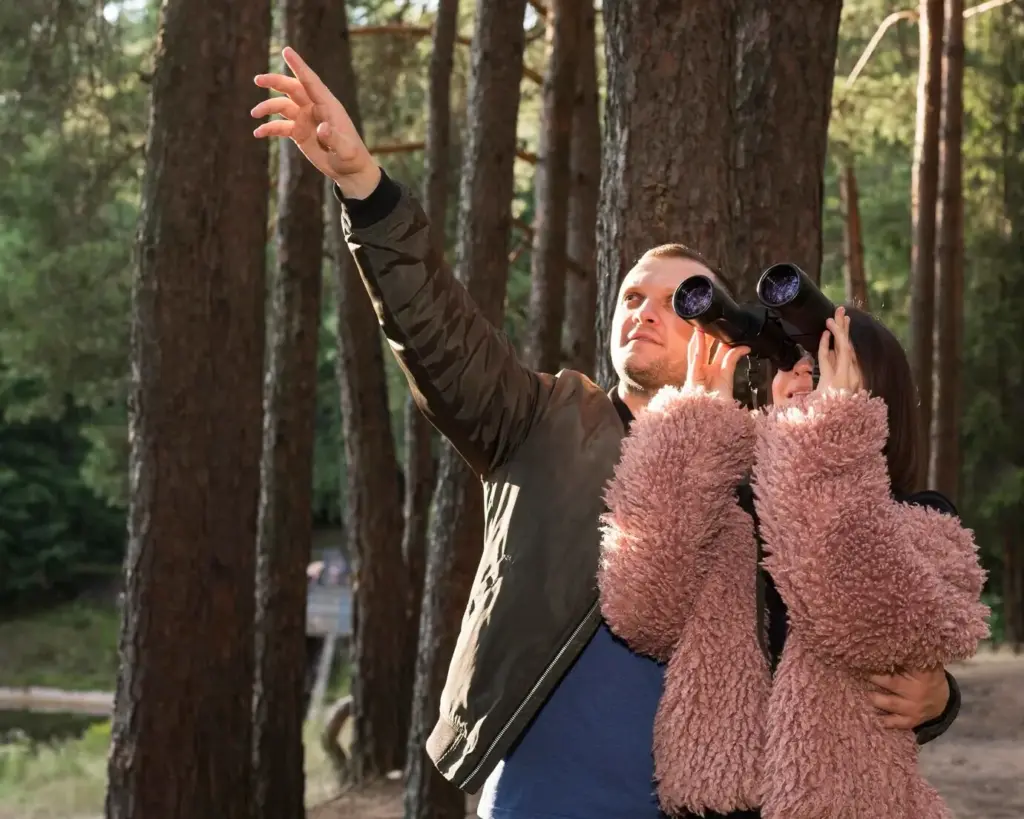
Before buying, ask friends or neighbors about spare child carriers, microspikes, or binoculars. Many communities offer gear libraries, local co‑ops, and outdoor‑retailer rentals for strollers, snowshoes, and life vests. Try before you buy, learn what genuinely helps your family, and avoid storage clutter by choosing short‑term access over permanent ownership.
DIY Comfort Boosters
Cut a rectangle of closed‑cell foam into a tiny sit‑pad for damp benches. Slip your phone into a zip bag for quick rain protection. Wrap a few turns of tape around a water bottle for emergency fixes. A compact lantern, simple bandana, and lightweight emergency blanket bring warmth, light, and calm without weighing you down.
Destinations That Welcome Every Age
Safe, Calm, and Confident Outdoors